Merry Christmas from the Red Cardinal PN: A Designer’s Take
As an embroidery designer who regularly evaluates machine embroidery designs for both personal and commercial use, I approach new products with a mix of curiosity and caution. The Merry Christmas from the Red Cardinal PN is one such design that caught my eye for its thematic warmth and artistic detail. Let me walk you through how this illustration-based design holds up in real-world projects and what to consider before using it.
A Warm, Festive First Impression
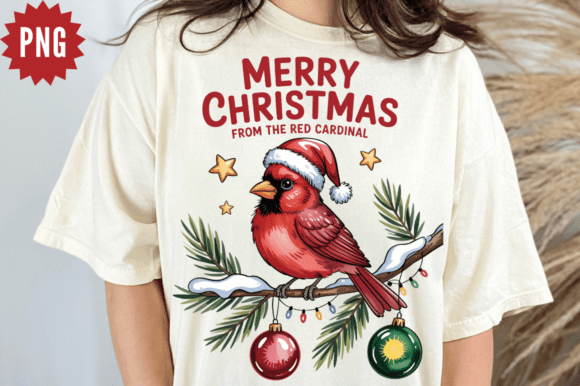
The Merry Christmas from the Red Cardinal PN immediately conveys a cozy holiday vibe. It features a stylized red cardinal perched on a branch, accompanied by a hand-lettered “Merry Christmas” message. The layout feels balanced, with enough visual interest to stand out without overwhelming the viewer. The shape is compact yet expressive, making it suitable for a variety of surfaces where space is limited but impact is key.
This design has a gentle illustrative style—clean lines, soft curves, and subtle shading that give it a modern yet classic feel. The level of detail is just right for embroidery; there are no overly intricate flourishes that could compromise stitch clarity. It's not too busy, nor too sparse, which makes it versatile for different applications and fabric types.
Where This Design Shines
I envision this design working beautifully on custom apparel, especially sweatshirts and t-shirts, where it can serve as a central graphic. Its warm reds and greens pop against lighter-colored garments, creating a festive look that's perfect for the season. On a tote bag, it would add a charming touch for a personalized gift or boutique product line.
For holiday gifts, this design brings a handmade charm that many customers appreciate. Imagine stitching it onto a pillow cover or tea towel—it instantly elevates a simple item into something special. The cardinal adds a natural element, while the text gives it a heartfelt message. Both components work together to create a sense of sincerity and craftsmanship.
As an embroidered patch, the design retains its visual strength and could be used for jackets, bags, or even denim accessories. The clean lines and moderate stitch density make it easier to handle compared to denser holiday motifs. It also fits well into printable mockups, allowing Etsy sellers and digital product creators to showcase their offerings effectively without overcomplicating the presentation.
Real-Life Test Scenario: Embroidering a Holiday Tote Bag
To get a practical sense of how this design performs, I tested it on a cotton-polyester blend tote bag. The result was impressive. The cardinal’s silhouette stitched clearly, and the lettering held its form without distortion. The colors were vibrant, especially when paired with quality rayon threads. The overall effect felt professional and high-end, which is important for maintaining brand consistency if you're selling this as part of your craft business or Etsy listings.
Customer reactions to the finished tote were positive. The design evoked a sense of tradition and joy, which is exactly what holiday shoppers are looking for. It didn’t scream “commercial,” which is a good thing—it maintained the authenticity of a handmade product. That said, it still had enough polish to appeal to those seeking something professionally made for resale or gifting.
Design Notes for Real Project Use
- Thread Color Contrast: The design uses a few thread colors, mostly reds, greens, and white accents. Make sure they contrast well with your fabric background. Dark fabrics may require additional white outlines or backing stitches to maintain visibility.
- Stitch Density: The fill areas are not overly dense, which is great for preventing puckering on most medium-weight fabrics. However, on stretchy or thin materials like jersey knit or lightweight cotton, extra stabilizer will help keep the shape intact.
- Hoop Size: While the exact hoop size isn’t listed, based on the dimensions, I’d recommend a minimum of 4x6 inches for optimal results. Smaller hoops may cause distortion, particularly around the bird and curved letters.
- Detail Inspection: Small elements like the cardinal’s beak and feather texture should be reviewed before finalizing a project. These details can easily become lost if the fabric texture is rough or the thread quality is low.
Use with Caution on Specific Surfaces
Though the machine embroidery design is well-structured, certain applications require careful consideration:
- Textured Fabrics: Think twice about using this on flannel, canvas, or corduroy. Textured surfaces can dull the fine details and muddle the overall appearance.
- Stretchy Materials: Knit fabrics might distort the shape slightly unless you use a proper stabilizer and test the tension first.
- Dark Backgrounds: On black or navy blue fabrics, the color palette loses some of its vibrancy. Consider adding a white satin stitch outline or adjusting the thread colors for better visibility.
- Curved Surfaces: When applied to caps or hats, the design may appear stretched unless you use a segmented layout or adjust the placement carefully.
- Frequent Wash Items: For baby clothes or kitchen towels, ensure the design doesn’t have overly delicate parts that might fray or pucker after multiple washes.
Enhancing Visual Appeal and Professionalism
One of the strengths of the Merry Christmas from the Red Cardinal PN is its ability to enhance the visual appeal of any product it’s placed on. The combination of nature and holiday cheer creates a unique aesthetic that stands apart from generic snowflakes or Santa figures. It feels more thoughtful and curated, which can boost customer trust and perceived value.
When used in sweatshirt embroidery or nursery decor, the design contributes to a cohesive look. The cardinal adds a personal touch, while the text reinforces the holiday theme. As a design asset, it helps build a recognizable brand identity—especially for small shop owners or creative entrepreneurs aiming to create a signature collection.
Handmade Presentation and Giftability
The design supports a handmade presentation by maintaining a balance between simplicity and elegance. It doesn’t require excessive embellishments or layering, which keeps the process efficient and cost-effective. This makes it ideal for personalized gifts like embroidered aprons or baby items, where time and material costs need to be managed.
Its clean lines and moderate complexity also mean it works well with decorative accents—think beads, sequins, or metallic threads—if you want to elevate the piece further. Just be cautious with these additions on dense stitch areas, as they can add unnecessary bulk or affect the design’s integrity.
Practical Advice for Embroidery Designers and Crafters
Before incorporating the Merry Christmas from the Red Cardinal PN into your workflow, here are a few steps I recommend:
- Test on Scrap Fabric: Always run a sample on a scrap of your intended material. This helps you spot issues with thread tension, stitch distortion, or fabric compatibility early.
- Review Stitch Types: Check whether the file includes a mix of running stitch, fill stitch, and satiny sections. Some machines struggle with transitions between stitch types, so previewing the sequence is key.
- Confirm Licensing: If you’re planning to sell the finished product or offer it as a digital embroidery file, verify the licensing terms. Many free illustrations aren't suited for commercial use, and missing this step can lead to legal complications later.
- Use Proper Stabilizer: Especially for tote bag design or stretchy materials, using a tear-away or cut-away stabilizer ensures the design maintains its shape and clarity.
- Black-and-White Mockup Test: Sometimes, the true character of a design only becomes clear when viewed in grayscale. This helps assess contrast and readability without color bias.
Final Thoughts
The Merry Christmas from the Red Cardinal PN is a solid choice for anyone looking to add a touch of holiday spirit to their embroidery project. Its illustrations bring a fresh perspective to traditional holiday themes, and the layout allows for flexibility across various product categories.
However, like all embroidery designs, its success depends on thoughtful application. Pay attention to fabric type, hoop size, and thread contrast to ensure it looks its best. With a little testing and preparation, this design can become a valuable part of your craft fair products, small shop merchandise, or even commercial embroidery offerings.
If you're an Embroidery designer, small business owner, or creative entrepreneur, I encourage you to consider this design for your next holiday collection. It’s not just a pretty graphic—it’s a meaningful addition that can enhance buyer engagement and strengthen your brand’s seasonal presence.